
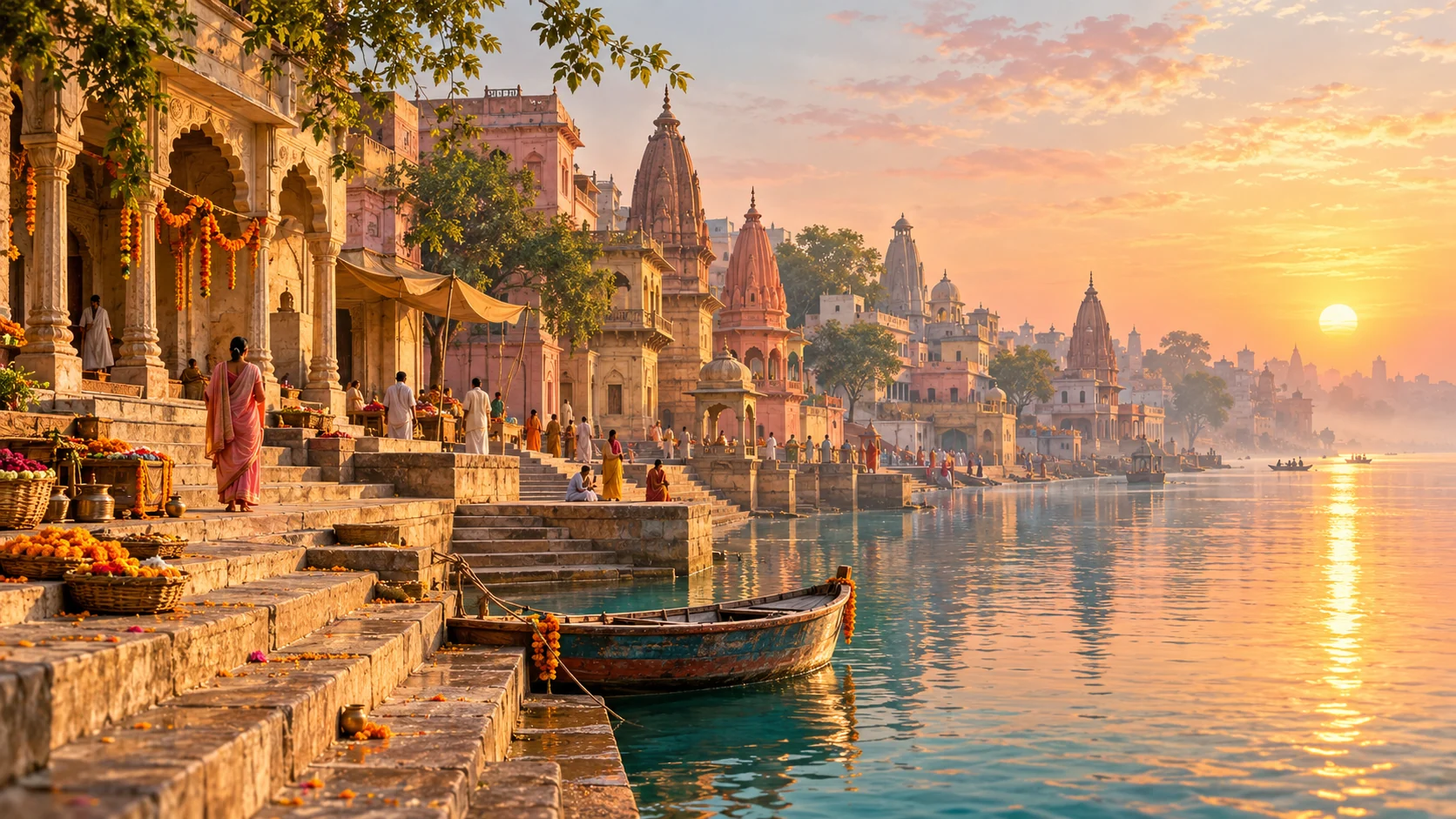
At a glance: should you visit Mathura?
Mathura is worth visiting for Krishna’s birthplace tradition, the Yamuna riverfront and a sculptural heritage that rewards attention beyond a temple circuit. It complements Vrindavan, but the right balance depends on your interests, arrival plans and available time. Start with one purpose, then build a visit that leaves room to understand the place.
- For pilgrimage, consider Krishna Janmabhoomi and Dwarkadhish; confirm current access and opening arrangements before travelling.
- For cultural history, protect time for the Government Museum and read the object labels rather than treating it as an optional photo stop.
- Use Vishram Ghat to understand the river’s devotional role. A boat ride or ritual purchase is not required.
- Choose an ordinary day or a festival deliberately, keep breaks in your plan, and check practical details close to departure.
Visit Mathura for Krishna’s birthplace tradition, worship at Dwarkadhish Temple, the Yamuna riverfront and the Government Museum’s sculptural heritage. It suits pilgrims and culturally curious travellers, especially those exploring Braj for the first time. Choose Mathura when you want to connect sacred stories with the city’s art and everyday life.
What makes Mathura worth visiting?
Mathura gives a Braj journey a sense of place. Krishna’s birth is associated with this city in Hindu tradition, while its temples, ghats and museum offer different ways to understand the region. You can come for darshan, religious history or art without needing the same itinerary as everyone else.
Begin with Krishna Janmabhoomi and Dwarkadhish
The district administration identifies Krishna Janmasthan, also called Krishna Janmabhoomi, with Krishna’s birthplace tradition. For devotees, that association gives the visit its purpose. Understand the story before entering rather than treating the complex as another photograph to collect.
Dwarkadhish Temple adds a different devotional focus: Krishna worshipped as the king of Dwarka. Incredible India dates the temple to 1814. Its presence reminds visitors that Mathura’s sacred importance and the ages of its surviving buildings are different questions.
Darshan means an encounter with the deity through seeing and being seen. Leave time for worship, follow the temple’s directions, and confirm current entry and belongings arrangements before setting out. Watch how people make space for worship, and ask permission before photographing individuals rather than assuming a public setting means consent.
What can you experience beyond temples?
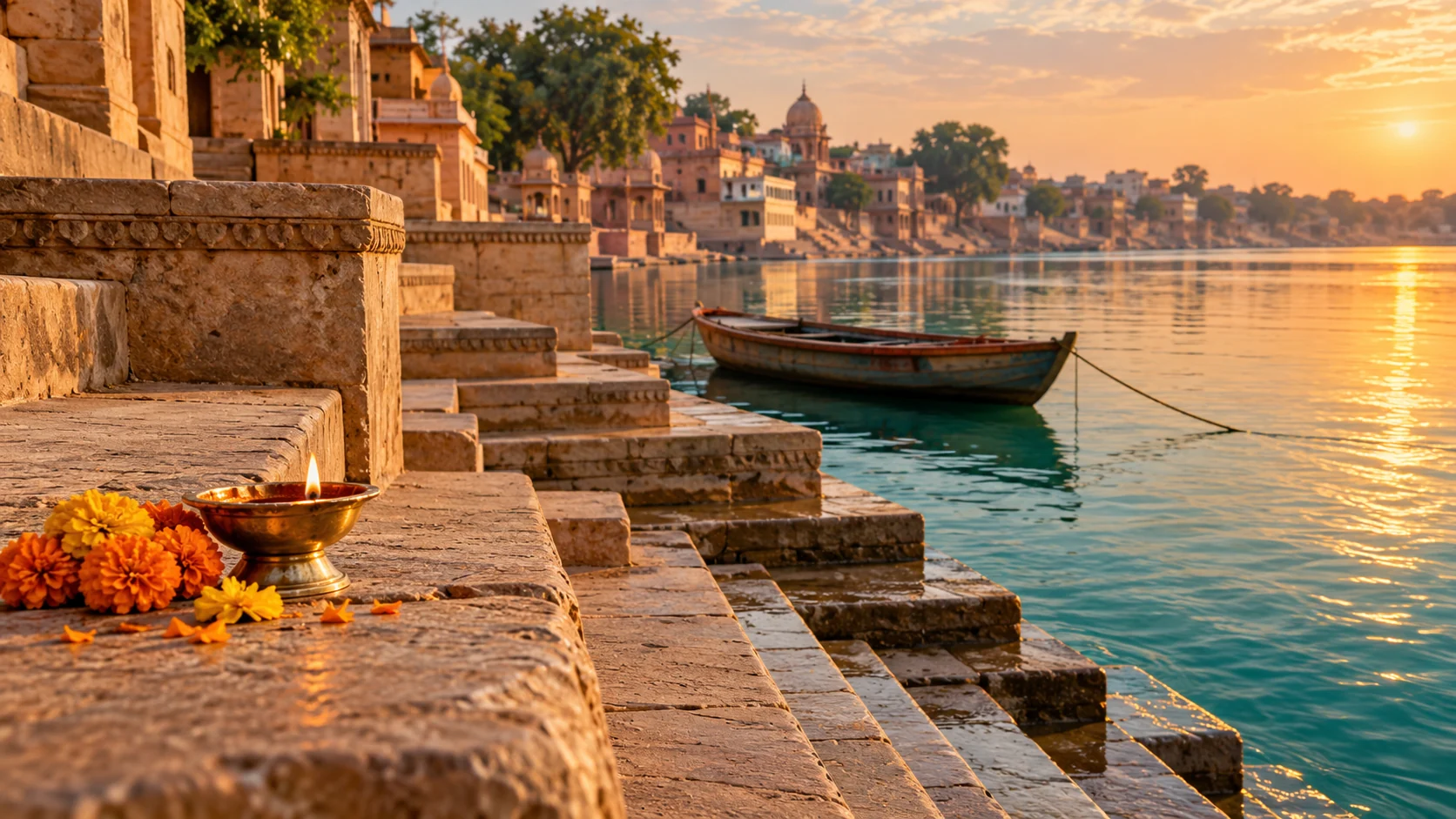
Mathura offers two especially useful contrasts to a temple visit: the Yamuna riverfront and the Government Museum. Vishram Ghat connects the city’s devotional geography with daily riverside life; the museum introduces its material history. Together, they give a first visit more depth than a longer list of shrines alone.
Vishram Ghat: understand the river’s place in the story
A ghat is a stepped approach to a river. At Vishram Ghat, Krishna is traditionally believed to have rested after defeating Kansa. Watching worship from a suitable public spot can help you understand why the Yamuna matters to the city.
Ask locally about the day’s aarti arrangements instead of building your entire schedule around an unverified time. You can appreciate the setting without bathing or booking a boat. Our Mathura riverfront introduction offers a slower way to approach this shared space.
The Government Museum: make room for the art
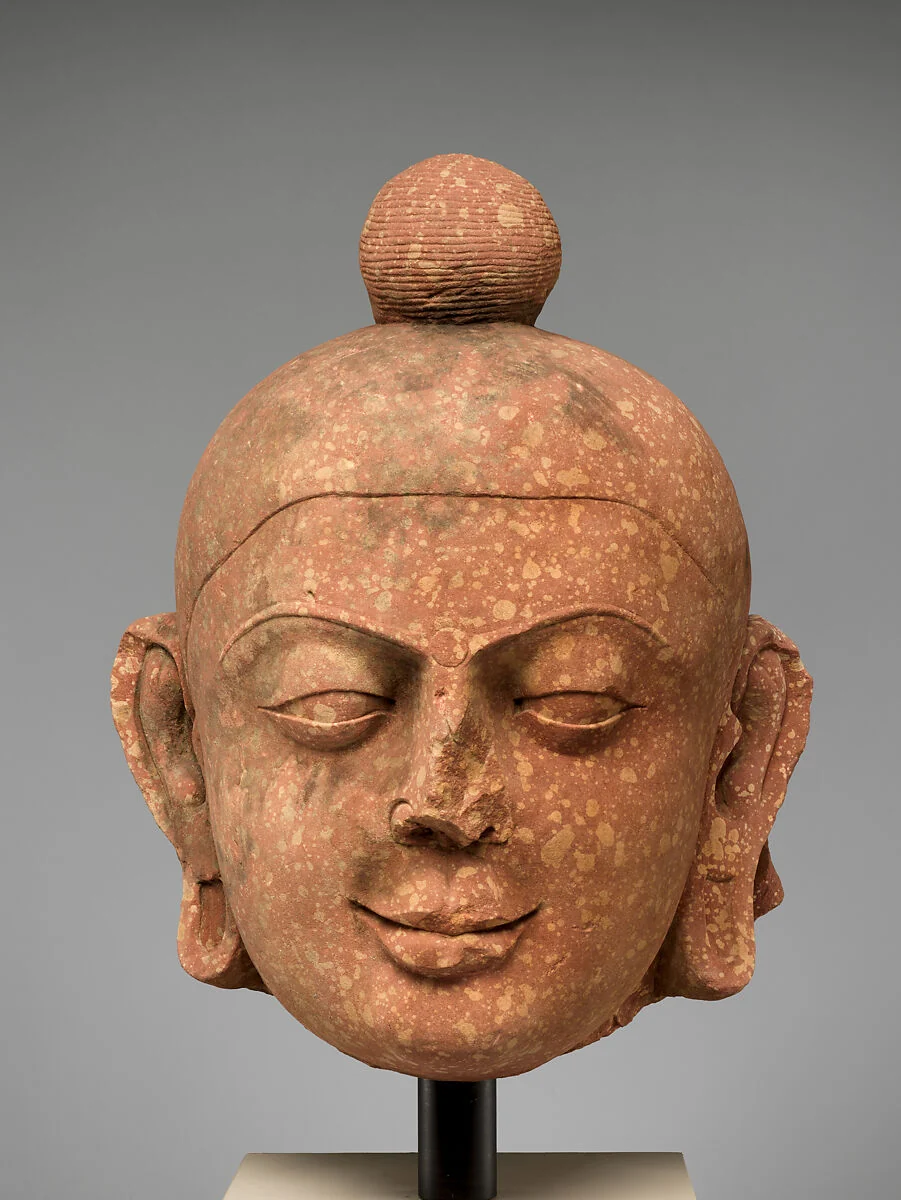
The Government Museum holds archaeological collections including Kushan and Gupta sculpture. Look at materials, poses and labels rather than rushing between cases. It is a strong reason to include Mathura even when temple visits are not your main interest. Choose one sculpture to examine closely: its material, surviving details and recorded date can make the wider collection easier to understand. Keep the museum distinct from sacred tradition: an object’s label and provenance answer different questions from a pilgrimage story.
Why visit Mathura if you are already visiting Vrindavan?
Visit Mathura as well as Vrindavan when you want the birthplace association, Vishram Ghat or the museum to form part of your Braj journey. The destinations complement each other. Choose between them according to your interests and available time; neither a compulsory order nor an all-in-one-day checklist is necessary.
| Your main interest | Mathura adds | Planning choice |
|---|---|---|
| Krishna pilgrimage | Janmabhoomi and Dwarkadhish | Prioritise darshan |
| Art and archaeology | Government Museum | Protect museum time |
| Riverfront traditions | Vishram Ghat | Leave an unhurried pause |
Check one easily missed distinction: Mathura city and Mathura district are not interchangeable. A Vrindavan property can have a Mathura district address without being in Mathura city. This is our editorial comparison, not a ranking of sacred places. For the other half of the decision, read why visit Vrindavan.
Leave room for Mathura’s food culture
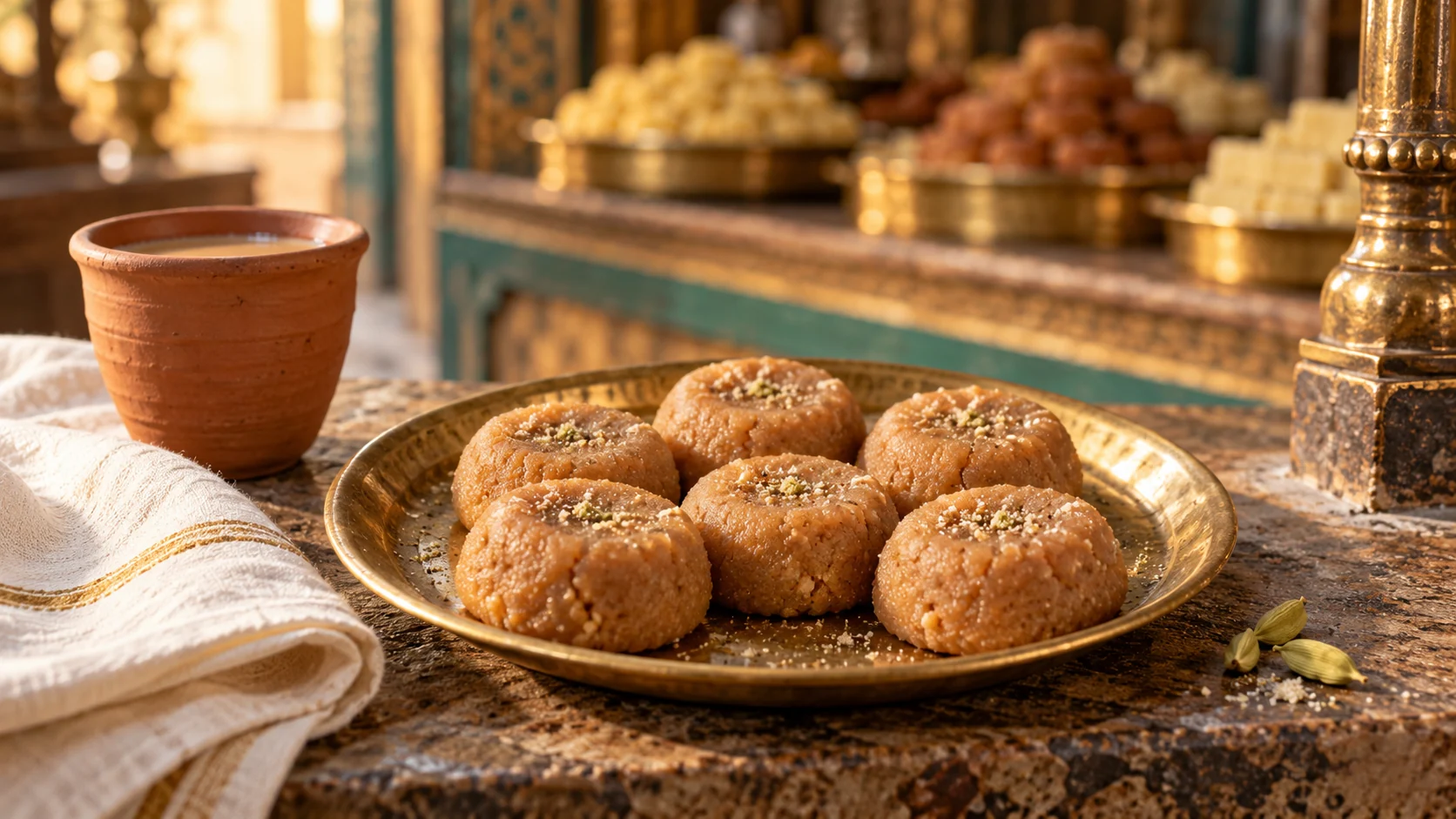
Food gives a cultural visit another point of connection. Mathura peda, a milk-based sweet, is a characteristic local speciality; kachori and vegetarian meals offer other possibilities. Choose a food stop because you want to try it, rather than accepting a compulsory shopping detour.
Ask about ingredients if you have dietary restrictions, and confirm packing and storage guidance when buying sweets for the journey home. A short food break also lets you enjoy the city without turning every moment into another scheduled attraction.
How should you plan a first Mathura visit?
For a first visit, choose one priority temple and one contrasting experience, then leave space for food, rest and travel. A focused day can introduce Mathura; an overnight stay gives more flexibility. These are planning recommendations, not guaranteed schedules. Opening arrangements and your group’s pace should decide the final order.
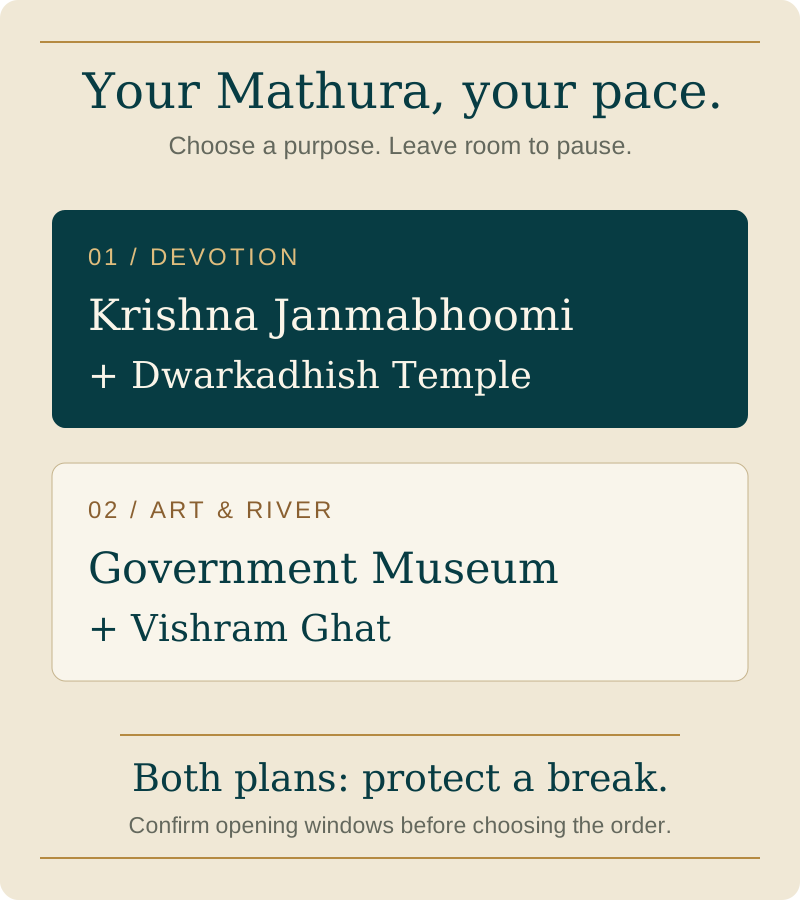
A devotional day might pair Janmabhoomi with Dwarkadhish and keep the riverfront optional. An art-focused day could protect museum time, add Vishram Ghat and choose one temple. Avoid squeezing both versions into a fixed promise. Decide which stop you would drop if travel takes longer; protecting your main reason for coming makes the day more rewarding.
The district transport guide lists Mathura Junction, MTJ. Check your actual train, arrival time and onward transfer separately. Ask accommodation providers about vehicle access, stairs and the final walking approach, particularly with older relatives or luggage.
When is the best time to visit Mathura?
Choose your dates around the experience you want: an ordinary day for an introduction, or a festival when the celebration itself is your purpose. Compare the forecast with your group’s needs. Before a Holi or Janmashtami trip, verify the current programme, accommodation arrangements and local travel notices.
For a quieter introduction, our preference is a non-festival weekday. Recheck museum opening days, temple schedules and any special restrictions close to departure. A missing confirmed detail is a reason to keep the plan flexible.
Questions before you visit Mathura
Is Mathura worth visiting if you are not religious?
Yes, if sculpture, archaeology and living cultural traditions interest you. Give the Government Museum meaningful time, explore the riverfront respectfully and treat active temples as places of worship. You do not need to participate in rituals to learn from the city.
Is one day enough for Mathura?
One day can work for a focused introduction with a small number of priorities. It is not a reliable promise of every major sight plus Vrindavan. Add time if you want a museum visit, several darshans or a slower family pace.
Are Mathura and Vrindavan the same place?
No. They are distinct destinations within the wider Braj region. Mathura is associated with Krishna’s birth; Vrindavan with Krishna’s devotional traditions and sacred stories. Check the actual town and address when choosing accommodation or agreeing transport.
Do you need a guide to visit Mathura?
A guide is optional. If you hire one, ask what historical or devotional interpretation they provide, which language they use, and whether transport, waiting and shop visits are included. Agree the price and scope beforehand.
Visit for what draws you here. Start with our Mathura collection, then use the first Braj journey guide to decide what belongs in your wider trip.