
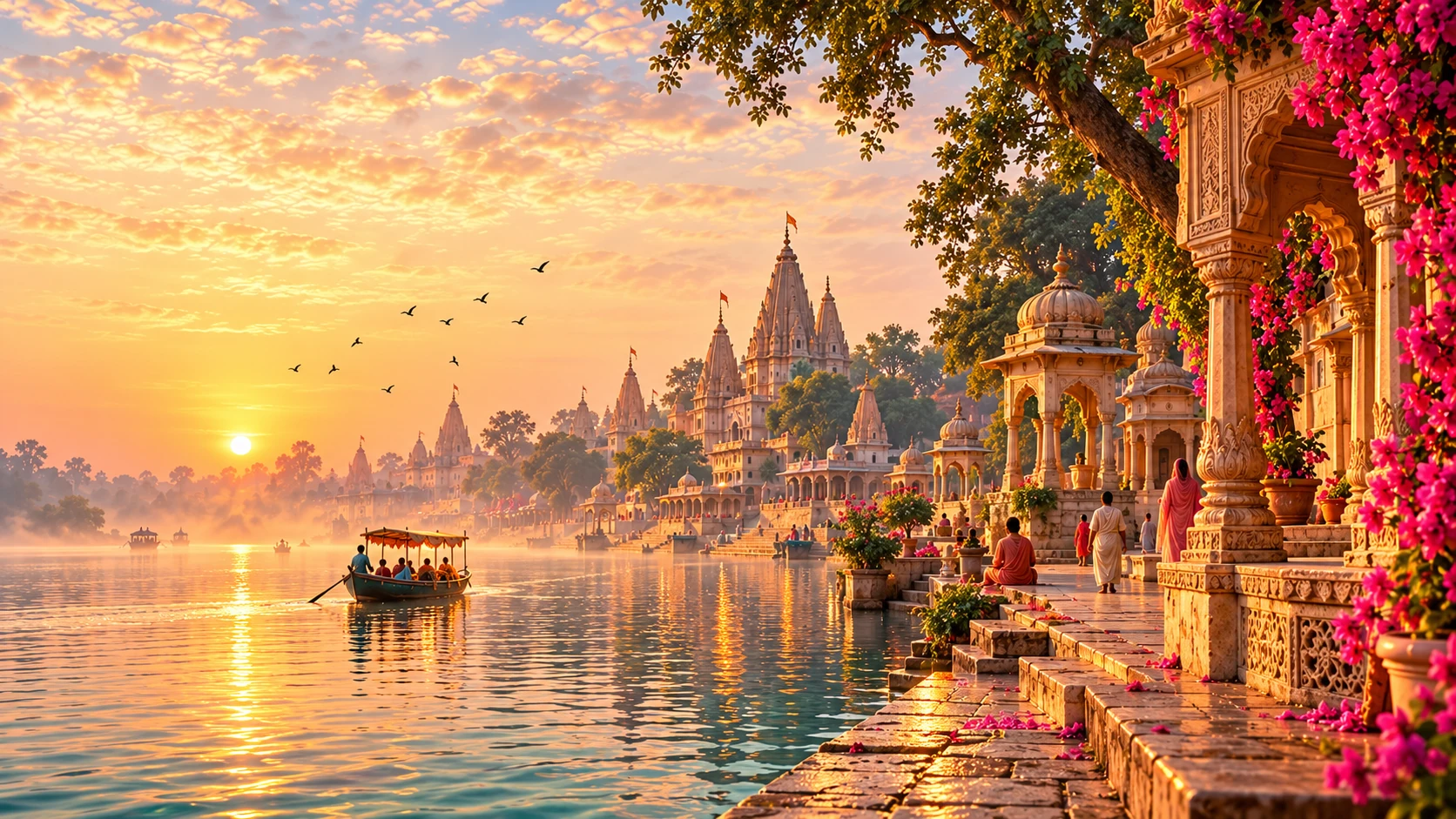
At a glance: should you visit Vrindavan?
Vrindavan is worth visiting when Krishna devotion, temple traditions or religious art interest you. Its older shrines and modern complexes offer different experiences, so a meaningful first trip starts with a purpose rather than a long checklist. Our revised guide compares four temples and explains what their published visitor guidance can tell you.
- Choose Banke Bihari for its Krishna tradition, Radha Raman for older temple heritage, ISKCON for a scheduled devotional programme, or Prem Mandir for sculptural storytelling.
- Check each temple separately. Three temple-run pages were compared on 21 October 2026; their guidance is not an on-site accessibility audit.
- Protect a break and a realistic final walking approach, especially with older relatives or children.
- Use Anchor–Contrast–Pause as editorial planning advice. Add Mathura when its birthplace association, riverfront or museum fits your interests.
Visit Vrindavan to experience Krishna devotion through temple worship, devotional singing and the sacred landscape of Braj. Its older shrines and modern complexes offer different encounters with that living tradition. It is worth visiting when those experiences interest you; a focused plan helps you appreciate them without chasing every temple.
Why is Vrindavan worth visiting?
Vrindavan is worth visiting for the chance to understand devotion as a daily practice, rather than only a historical subject. Temple worship, sacred stories and different religious communities give the town its character. Come to explore those traditions, whether you are a pilgrim or a respectful, culturally curious visitor.
In Hindu tradition, Vrindavan is associated with Krishna’s youthful pastimes. Incredible India distinguishes Vrindavan’s devotional association from Mathura’s birthplace significance. Visiting both can deepen a Braj journey, but each deserves its own purpose.
Understand what you are coming to experience
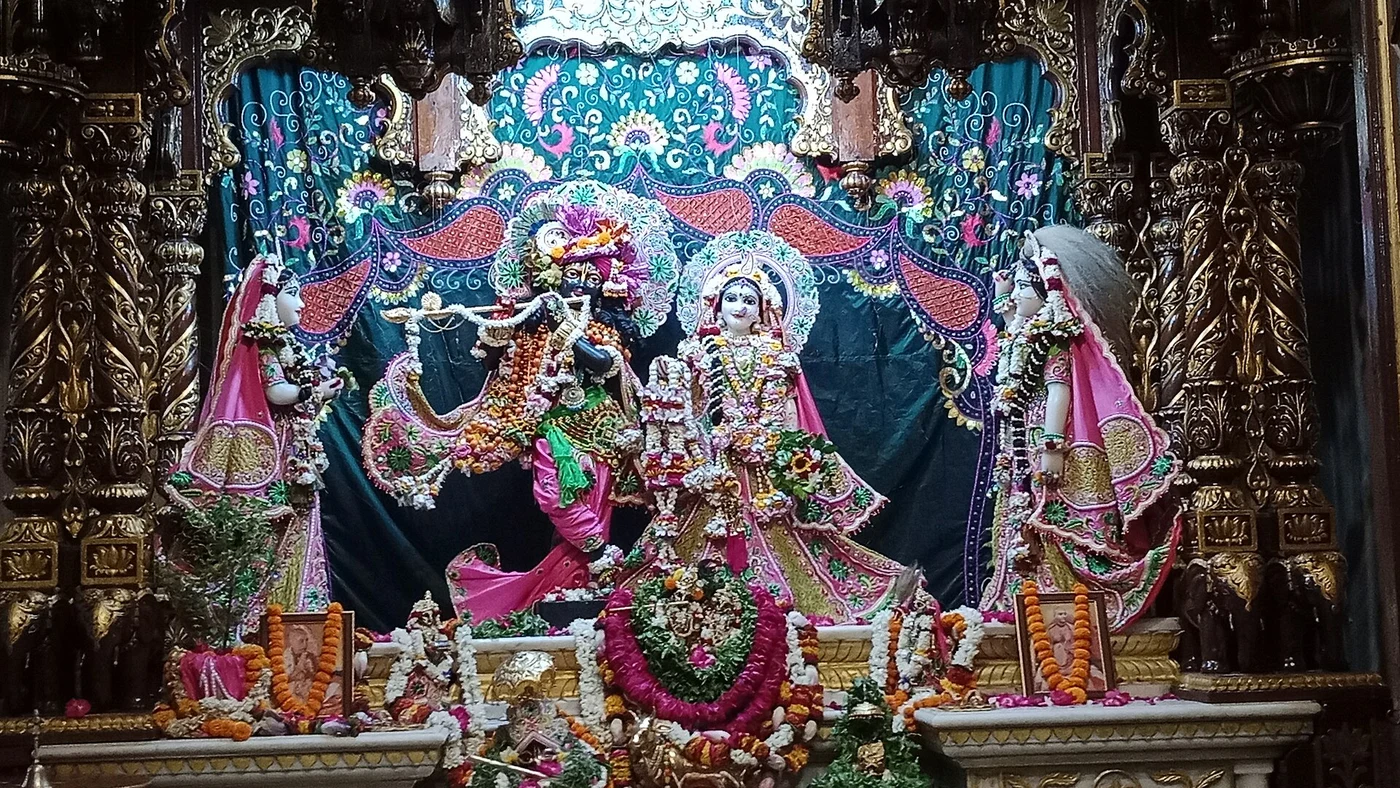
Darshan is the devotional viewing of a deity; kirtan is congregational devotional singing. Learning these terms helps you recognise what is happening around you. A temple is an active place of worship, with its own rhythm and expectations, rather than simply an architectural stop.
Look for the differences between traditions: how worship is organised, what stories a shrine honours, and what its artwork communicates. You need not participate in every ritual to learn. If guaranteed solitude or unrestricted photography is essential to your trip, choose your settings carefully. Sacredness does not guarantee a quiet retreat.

Which Vrindavan temples should you choose?
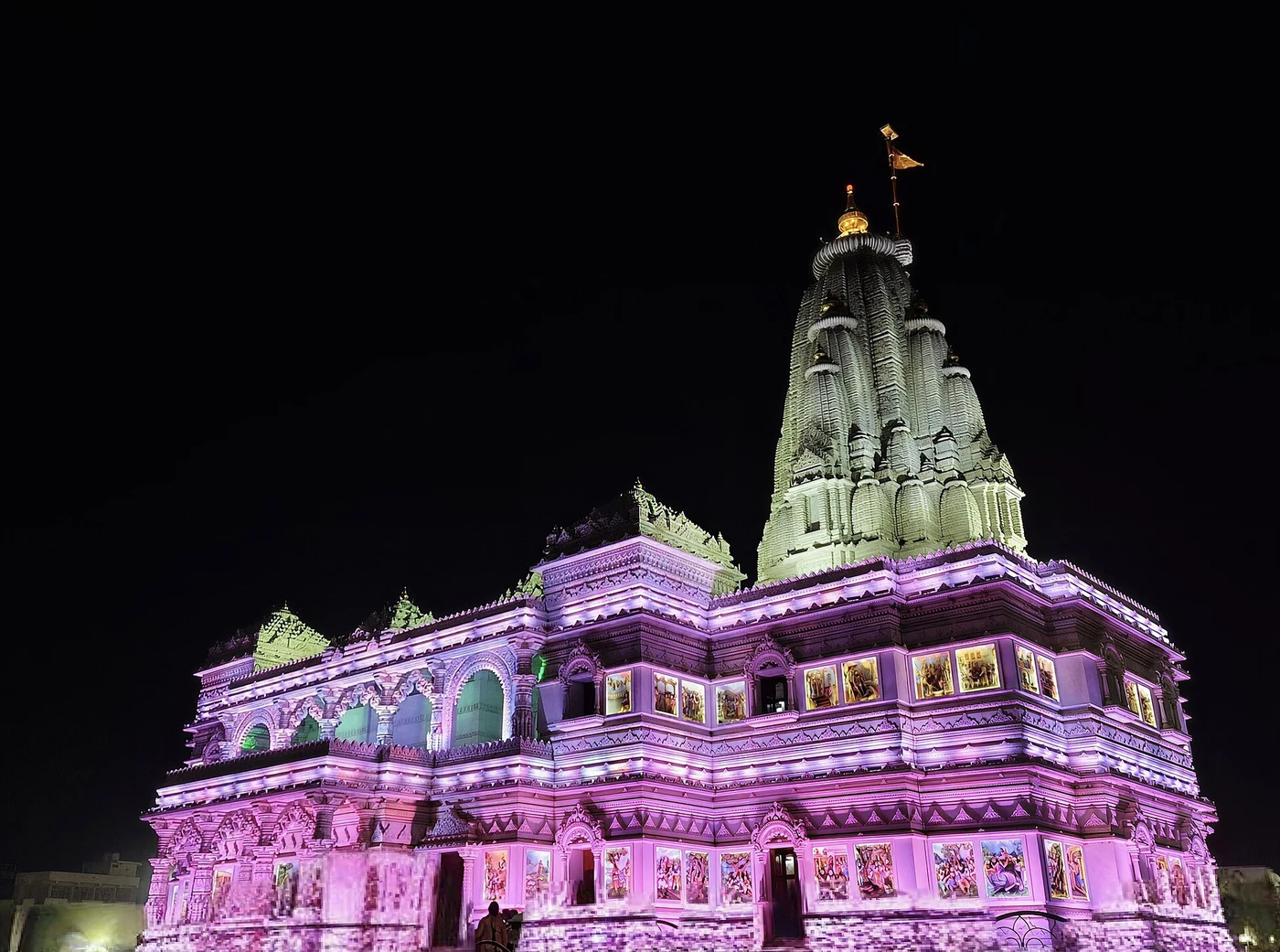
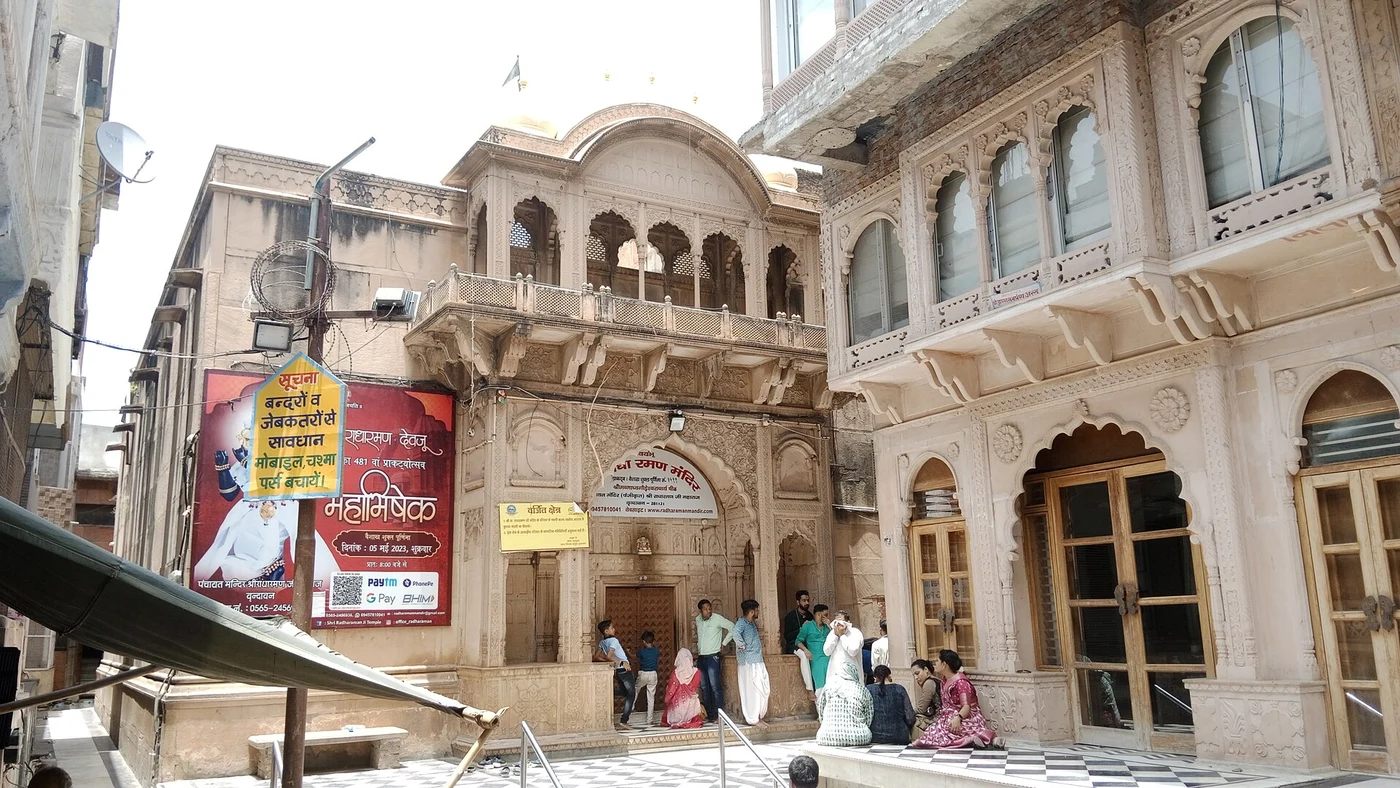
Choose a temple for the experience you want, then add a contrasting stop. Banke Bihari centres a distinctive Krishna tradition; Radha Raman introduces Gaudiya Vaishnava heritage; ISKCON’s Krishna Balaram Mandir offers a published devotional programme; Prem Mandir adds sculptural storytelling. These places complement one another without being interchangeable attractions.
| Your interest | Starting point | Reason to choose it |
|---|---|---|
| Krishna devotion | Banke Bihari | Understand its worship tradition |
| Older temple heritage | Radha Raman | Explore a Gaudiya Vaishnava shrine |
| Scheduled worship | Krishna Balaram Mandir | Choose an activity from its programme |
| Sculptural storytelling | Prem Mandir | Read devotional scenes through art |
The district’s Radha Raman profile explains its connection to Gopala Bhatta Goswami. It records Krishna Balaram Mandir’s construction in 1975 and Prem Mandir’s public opening in 2012. Vrindavan’s temple landscape includes several periods, not one frozen past.
At Krishna Balaram Mandir, the published programme includes a Bhagavatam class as well as aarti. Decide whether you want to hear a teaching or observe worship.
At Prem Mandir, ask what a sculptural scene depicts rather than collecting another photograph. At an older shrine, begin with its particular devotional tradition. This comparison is an editorial starting point, not a ranking of sacred importance. Our guide to Vrindavan’s lanes suggests how to leave room between visits.
When should you visit, and what must you check?
Choose an ordinary day for an introduction, or a festival when the celebration itself is your purpose. Banke Bihari’s visitor guidance identifies weekends, public holidays and festivals as busy periods. Check each temple separately: opening windows, ritual schedules and the final approach can change what is realistic for your group.
| Temple and official page | Published detail | Planning implication |
|---|---|---|
| Banke Bihari | Seasonal darshan times; cars cannot reach the temple door | Confirm the final walking approach |
| Prem Mandir | 8:30 am–noon; 4:30–8:30 pm | Allow for the midday closure |
| Krishna Balaram Mandir | 12:45 pm closure; evening programme from 4:30 pm | Match your visit to the activity |
Method: three temple-run pages compared on 21 October 2026. This records published guidance, not an on-site access audit. Recheck before departure; unconfirmed facilities remain unknown. Download the comparison (CSV).
Banke Bihari’s page advises elderly devotees and families with small children to avoid its festivals. Do not extend that advice automatically to every temple. Ask accommodation providers about vehicle access, stairs and the actual walk with luggage. With limited mobility, confirm resting places and toilets too. A map distance alone cannot answer those questions. Confirm the entrance and any temporary arrangements for your date directly. An ordinary schedule does not establish the queue or walking conditions you will encounter.
How should you plan a first Vrindavan trip?
Use our Anchor–Contrast–Pause approach: choose one priority temple, add a different experience, and protect time to rest or reflect. A focused day can work; two days with one night gives more flexibility. This is editorial planning advice, not a tested formula or a guaranteed itinerary for every visitor.
- Anchor: name the tradition or temple that gives your visit its purpose.
- Contrast: add another setting, such as a different temple or a Yamuna riverfront pause.
- Pause: keep a break unassigned so delays do not consume the whole day.
For example, a heritage-focused visitor might prioritise Radha Raman and contrast it with Prem Mandir’s modern storytelling. Someone interested in a particular worship service could start with ISKCON’s programme and leave a second stop optional. The opening windows determine the order, not the list on a tour advertisement.
The district transport guide identifies Mathura Junction, MTJ; confirm your train and onward transfer separately. When arranging ISKCON transport, specify Krishna Balaram Mandir in Vrindavan, not just the organisation’s name.
If you also want Krishna’s birthplace association, the museum or Vishram Ghat, read why visit Mathura and give those interests their own time. Do not make adding another destination the measure of a successful trip.
A riverfront pause can be time to notice how the Yamuna fits into Braj’s devotional geography; it need not involve booking a boat or ritual.
Arriving after an Agra visit? Our Agra to Vrindavan guide compares the roads and separates the transfer from temple-arrival planning.
Questions before you book
Is Vrindavan worth visiting if you are not religious?
Yes, if living traditions, religious architecture or devotional art interest you. Read about each shrine before arriving, observe respectfully and follow photography rules. You can appreciate cultural meaning without treating worship as a performance staged for visitors. Ask permission before photographing people, and accept that some spaces or moments are reserved for worship rather than sightseeing.
Should you visit Mathura or Vrindavan first?
Choose Mathura first for the birthplace association and its city heritage; choose Vrindavan first for its temple traditions. Your arrival point, opening windows and interests should decide the sequence. Neither order is compulsory, and neither destination substitutes for the other.
Can you visit Vrindavan in one day?
Yes, for a focused visit with one priority and a genuinely optional second stop. Confirm entry arrangements and protect breaks. Several temples plus Mathura is a different ambition; reduce the list before sacrificing the reason you wanted to come.
Do you need a guide in Vrindavan?
A guide is optional. If you hire one, ask which traditions they explain, what language they use, and whether walking, transport, waiting and shop visits are included. Agree the scope and price beforehand; check temple access claims with the temple itself.
Start with your reason for visiting. Explore our Vrindavan collection and first Braj journey guide to build around it.